


Clean Beauty vs Luxury Makeup: Which Wins?
Table of Contents
- What Defines Clean Beauty vs Luxury Makeup
- Long Lasting Clean Makeup for Oily Skin: Performance Reality
- Is Clean Beauty Regulated by the FDA?
- Clean Beauty vs Conventional Makeup Performance: Coverage and Staying Power
- Ingredient Transparency and Safety Standards
- Cruelty-Free and Ethical Certifications
- Cost, Value, and Why Clean Beauty Costs More
- Making the Switch: Which Option Is Right for You
- Frequently Asked Questions
Last Updated: September 30, 2026
What Defines Clean Beauty vs Luxury Makeup
Understanding clean beauty vs luxury makeup isn't as clear as marketing wants you to believe. Clean beauty promises non-toxic formulations and ingredient transparency. Luxury makeup emphasizes performance, heritage, and exclusivity. But here's what matters: both categories exist on a spectrum, and the real differences come down to formulation philosophy, regulatory oversight, and what you're actually paying for.
Clean beauty brands typically avoid synthetic preservatives, parabens, and certain chemical compounds. Luxury brands, meanwhile, often use those exact ingredients because they deliver superior staying power, pigment payoff, and texture. Neither approach is inherently better. The choice depends on your skin, your priorities, and whether you value ingredient lists or performance benchmarks more.
The confusion exists because both categories claim similar benefits. A luxury brand might say their formula is dermatologist-tested. A clean brand might say theirs is hypoallergenic. Both statements can be true while telling you almost nothing about actual efficacy. This is where the real comparison begins.
Long Lasting Clean Makeup for Oily Skin: Performance Reality
Long lasting clean makeup for oily skin faces a genuine technical challenge. Oil breaks down most formulations faster than water-based skin types experience. Clean beauty brands often skip silicones and polymers that would otherwise extend wear time, which means you're working with fewer tools to keep makeup locked in place.
That said, clean makeup designed specifically for oily skin can perform well. The key is finding formulas with mineral-based absorbers, plant-derived silicone alternatives, or innovative binders that don't compromise ingredient transparency. Our 4D Silk Fiber Mascara is formulated with natural ingredients while maintaining waterproof staying power.

The real question isn't which category performs better universally. It's whether the 2-4 hour difference matters for your daily routine. If you reapply midday anyway, clean makeup with solid staying power serves you fine. If you need a full wear guarantee, some formulations may have an edge.
Is Clean Beauty Regulated by the FDA?
Here's where it gets interesting. Clean beauty is not a regulated category. The FDA doesn't define what "clean" means or enforce standards around the term. Any brand can call themselves clean without meeting specific criteria. This is the same regulatory framework that applies to conventional makeup, the FDA oversees cosmetics broadly, but doesn't police marketing language like "clean," "natural," or "pure."
What the FDA does regulate is safety. Whether a product is clean or luxury, it must be safe for its intended use and properly labeled. The FDA prohibits certain ingredients outright (like lead in lipstick above trace amounts) and restricts others. But "clean beauty" as a category doesn't get special FDA attention because it's not an official designation.
This matters because it means clean beauty brands set their own standards. Some are rigorous. Others use the term loosely to capitalize on consumer preference for transparency.
The regulatory difference is real but often misunderstood. Clean beauty isn't inherently more regulated or safer. It's just marketed differently. Both categories must comply with the same FDA rules for cosmetics safety, labeling, and ingredient restrictions.
Clean Beauty vs Conventional Makeup Performance: Coverage and Staying Power
Coverage and staying power are where clean beauty and conventional makeup truly diverge. Conventional makeup uses ingredients that can create a barrier between your skin and the environment, which can contribute to full coverage that lasts through heat, humidity, and oil production.
Clean beauty formulations often skip these ingredients, relying instead on mineral pigments, plant-based binders, and alternative thickening agents. The result is usually lighter coverage and shorter wear time. That's not a flaw, it's a trade-off. Many people prefer the feel of lighter coverage and are willing to reapply during the day.
For oily skin specifically, the challenge intensifies. Oil breaks down most formulations, but conventional makeup has more chemical tools to fight back. A clean formula might use plant-derived silicones or mineral absorbers, which help but don't match the staying power of synthetic alternatives. Expect 6-10 hours of wear from clean makeup on oily skin, versus potentially longer wear from some conventional formulations.
Coverage follows a similar pattern. Clean makeup often provides light to medium coverage because heavier pigment loads require synthetic binders to adhere properly. Some conventional makeup can deliver full coverage without settling into fine lines, thanks to advanced formulation chemistry.
The performance gap is narrowing. As clean beauty brands invest in formulation science, they're developing cleaner alternatives that perform better. But if you need maximum coverage and longevity, some conventional makeup may still hold an advantage.
| Metric | Clean Beauty | Conventional | Winner for Oily Skin |
|---|---|---|---|
| Staying Power | 6-10 hours | Potentially longer | Conventional |
| Coverage | Light to Medium | Potentially fuller | Conventional |
| Oil Resistance | Moderate | High | Conventional |
| Ingredient Transparency | High | Varies | Clean |
| Reapplication Needed | Yes, midday | Less frequently | Conventional |
| Skin Feel | Lightweight | Fuller | Clean (preference) |
Ingredient Transparency and Safety Standards
Ingredient transparency is where clean beauty genuinely differentiates itself. Clean brands publish full ingredient lists, explain why each ingredient is included, and often avoid synthetic preservatives, parabens, and synthetic dyes. This transparency is valuable, it lets you make informed choices about what touches your skin.
Radiant Glow Essence with Hyaluronic →
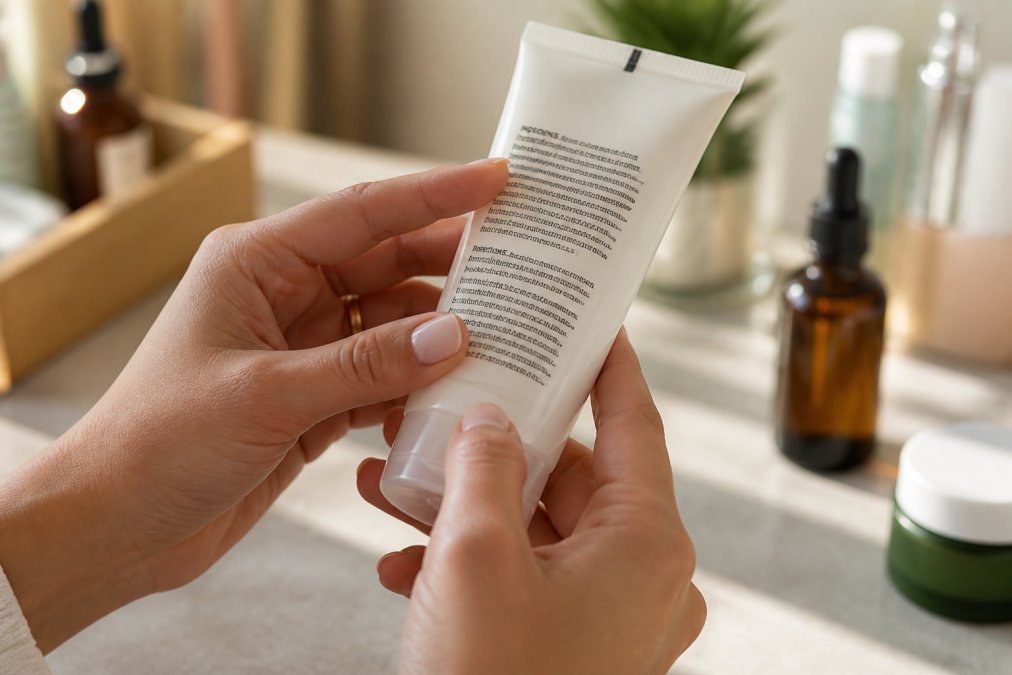
Some brands vary widely on transparency. Some publish detailed ingredient information. Others keep formulation proprietary, claiming trade secrets. Neither approach is inherently problematic, but transparency does give you more information to assess potential sensitivities or allergens.
The safety question is more nuanced. Synthetic ingredients aren't automatically unsafe, and natural ingredients aren't automatically safe. A well-formulated synthetic preservative system keeps your makeup from growing bacteria. A poorly preserved "natural" formula might harbor pathogens. Safety depends on formulation expertise, not ingredient origin.
Clean beauty's value lies in ingredient transparency, not inherent safety superiority. If you have sensitive skin, you benefit from knowing exactly what's in your makeup so you can identify triggers. That information matters more than whether the ingredients are synthetic or natural. Blush Boutique's approach emphasizes this, we use clean ingredients and publish exactly what's in each formula, so you can make choices based on your skin's needs.
For sensitive skin specifically, clean formulations often work better because they skip potential irritants like synthetic fragrances and dyes. But some other brands also make excellent products for sensitive skin. The difference is that clean brands make it easier to identify which ingredients might trigger a reaction.
Cruelty-Free and Ethical Certifications
Cruelty-free certification is a major differentiator, and it matters more to clean beauty brands than luxury ones. Most clean beauty brands are cruelty-free by default. Other brands have a mixed record, some are certified, others still test on animals or use parent companies that do.
Cruelty-free certification comes from organizations like Leaping Bunny, which audits companies to ensure no animal testing occurs at any stage of production or ingredient sourcing (The Corporate Standard of Compassion For Animals ("The Standard")). This certification is rigorous and meaningful. When a brand claims cruelty-free status without certification, you're trusting their word.
Ethical sourcing goes beyond cruelty-free. It means ingredients are sourced fairly, workers are treated well, and environmental impact is minimized. Clean beauty brands often emphasize ethical sourcing more than luxury brands, though exceptions exist in both categories.
The cost of cruelty-free certification and ethical sourcing is real. Brands pay for audits, testing alternatives to animal testing, and fair-trade sourcing. This contributes to why clean beauty often costs more than conventional drugstore makeup. You're paying for transparency and ethics, not just the product itself.
At Blush Boutique, we prioritize cruelty-free and ethically sourced ingredients because our audience values these commitments.
Cost, Value, and Why Clean Beauty Costs More
This is the question that stops most people: why does clean beauty cost more when it often performs worse? The answer involves transparency, ingredient sourcing, and formulation complexity.
Making the Switch: Which Option Is Right for You
Start by answering three questions honestly. First: how much time do you spend on makeup daily? If you're rushing out the door and need products that last through a full workday without reapplication, some conventional makeup's staying power matters. If you have time to touch up midday, clean makeup works fine.
Frequently Asked Questions
Is clean beauty actually better for your skin than luxury makeup?
Clean beauty prioritizes non-toxic, ingredient transparency, and skin barrier health, making it better for sensitive or reactive skin. Some conventional makeup often delivers superior pigment payoff and formulation efficacy for coverage and longevity. The answer depends on your skin type and priorities. Those with sensitivity benefit from clean formulas; those seeking high-performance color may prefer some conventional brands. Both can be effective when formulated well.
What exactly makes a brand 'clean' in the beauty market?
Clean beauty brands avoid synthetic ingredients like parabens, sulfates, phthalates, and synthetic fragrances. They emphasize ingredient transparency, often listing every component on packaging or websites. Many pursue dermatologist-tested and hypoallergenic certifications. However, there's no FDA definition of 'clean,' so standards vary. Look for brands that disclose full ingredient lists and explain why each component is included, a sign of genuine transparency.
Do clean makeup brands perform as well as luxury brands for long-lasting wear?
Clean makeup has improved significantly, with many brands now offering all-day wear without smudging or flaking. Products like our 4D Silk Fiber Mascara ($18.95) deliver waterproof performance comparable to some conventional mascaras. However, some conventional brands often use more advanced pigment technology and preservative systems for extreme longevity. For everyday wear, clean makeup performs well; for extreme conditions or professional settings, some conventional formulations may have an edge.
Why does clean beauty cost more if it uses simpler ingredients?
Clean formulations require more expensive, ethically sourced active ingredients and complex preservative systems to replace synthetic ones. Sourcing transparency, cruelty-free certification, sustainable packaging, and smaller production runs all increase costs. Some conventional pricing also reflects brand heritage and marketing. You're paying for safety, ethical sourcing, and proven efficacy, not just simplicity. Products like our Turmeric Radiance Serum ($19.95) reflect the cost of clinically proven natural ingredients and rigorous testing.