


How to Transition to Sustainable Beauty: 7 Steps
Table of Contents
- Step 1: Assess Your Current Routine and Identify Swaps
- Step 2: Understand Clean Beauty Ratings and Certifications
- Step 3: Learn Sustainable Beauty Certifications That Matter
- Step 4: Spot Greenwashing and Make Informed Choices
- Step 5: Choose Multi-Use Products and Minimize Packaging Waste
- Step 6: Master How to Recycle Beauty Product Packaging
- Step 7: Build Your Sustainable Routine and Stay Committed
- Frequently Asked Questions
Last Updated: October 2, 2026
Step 1: Assess Your Current Routine and Identify Swaps
The first step to transition to sustainable beauty is understanding what you're actually using right now. Pull out every product from your bathroom and take inventory. Write down the brand names, ingredients you recognize, and packaging materials.
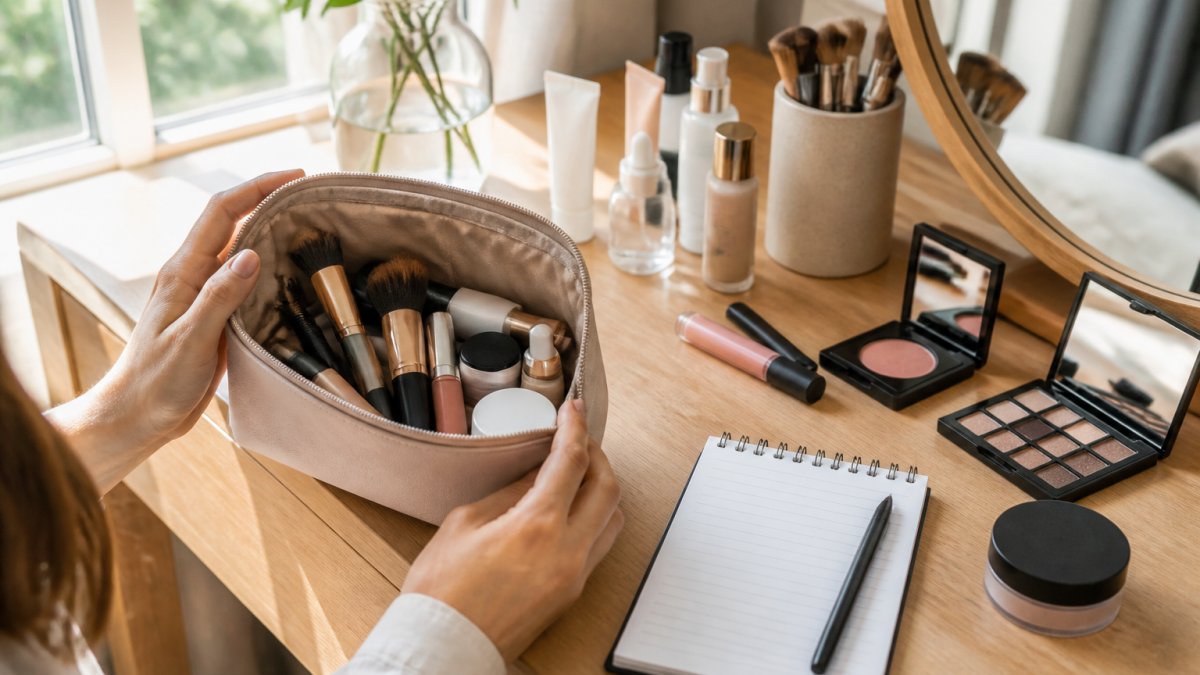
Look for products with excessive plastic packaging, synthetic fragrances, or ingredients you can't pronounce. These are your prime candidates for replacement. You don't need to trash everything today, that defeats the purpose of sustainability. Instead, finish what you have and swap it out gradually as products run out.
Pay attention to how many products you actually use daily versus what sits unused. Many people discover they're maintaining a routine far more complicated than necessary.
Start with one category at a time. If you wear makeup daily, begin there. If skincare is your priority, focus on that first. Small, sequential changes stick better than trying to replace everything simultaneously.
Step 2: Understand Clean Beauty Ratings and Certifications
Clean beauty means different things to different brands, which is why ratings and certifications matter. A product labeled "clean" might still contain ingredients you want to avoid. Understanding clean beauty ratings helps you decode marketing language and find products that genuinely align with your values.
Several organizations rate products on ingredient safety and transparency. These ratings examine whether formulas contain synthetic fragrances, parabens, phthalates, and other chemicals some consumers prefer to avoid.
Look for products that list all ingredients clearly on packaging or online. Transparency is a hallmark of brands serious about clean formulas.
Common clean beauty ratings include numerical scores and letter grades. Higher scores indicate fewer concerning ingredients and better formulation practices. These systems aren't perfect, but they give you a starting point for comparing options.
Read the ingredient list from back to front. The last ingredients are present in the smallest amounts. This helps you spot whether a product's main benefits come from active ingredients or just marketing. A serum with turmeric as the fifth ingredient works differently than one where turmeric is the primary component.
Step 3: Learn Sustainable Beauty Certifications That Matter
Sustainable beauty certifications go beyond ingredient safety. They address sourcing, manufacturing, packaging, and supply chain ethics.
Cruelty-Free Certifications verify that a brand doesn't test on animals and doesn't source from suppliers that do. Look for Leaping Bunny or PETA certifications (Compassionate Shopping Guide). These require ongoing audits and transparency, making them more reliable than self-proclaimed claims.
Vegan Certifications confirm that products contain no animal-derived ingredients.
Eco-Friendly Certifications focus on packaging and environmental impact. Some certifications require recyclable or compostable packaging.
Fair Trade Certifications ensure that farmers and workers in the supply chain earn fair wages and work in safe conditions.
Blush Boutique prioritizes cruelty-free formulas and sustainable sourcing.
| Certification Type | What It Verifies | Red Flags If Missing |
|---|---|---|
| Cruelty-Free | No animal testing | Self-proclaimed claims without audit |
| Vegan | Zero animal-derived ingredients | "Natural" used without ingredient list |
| Eco-Friendly | Sustainable packaging and manufacturing | Plastic packaging without recycling info |
| Fair Trade | Ethical wages and working conditions | No supply chain transparency |
Don't assume one certification covers everything. A cruelty-free product might still use unsustainable packaging. A vegan formula might source ingredients unethically.
Step 4: Spot Greenwashing and Make Informed Choices
Greenwashing is when brands use eco-friendly language and imagery to appear sustainable without backing it up.
Red flags for greenwashing:
- Vague terms like "eco-friendly," "natural," or "green" without specific certifications
- Beautiful packaging that suggests sustainability but contains no recycled content
- Claims about "plant-based" ingredients without mentioning synthetic additives
- Brands that tout one sustainable practice while ignoring others (e.g., using recyclable packaging but sourcing ingredients unethically)
Check whether a brand publishes its supply chain information. Transparent companies share where ingredients come from, how they're processed, and what impact that has.
Look at the actual ingredients, not just marketing language. Some brands use one high-quality ingredient to justify premium pricing while filling the rest of the formula with fillers. Compare ingredient lists across products at similar price points. Better formulas don't always cost more, sometimes you're just paying for packaging and marketing.
Research the brand's manufacturing practices. Do they use renewable energy? Do they minimize water waste? Do they compost or recycle production byproducts? Brands serious about sustainability make this information easy to find.
Step 5: Choose Multi-Use Products and Minimize Packaging Waste
One of the fastest ways to reduce your beauty waste is switching to multi-use products. A product that serves three purposes creates one-third the packaging waste of three single-use products.
Multi-use product examples:
- A tinted moisturizer with SPF replaces foundation, moisturizer, and sunscreen
- A cream blush works on lips, cheeks, and eyelids
- A facial oil hydrates skin, adds shine to hair, and removes makeup
- A lip balm with SPF serves as lip care and sun protection
Minimalist routines aren't just sustainable, they're practical for busy mornings. Fewer products mean faster application and less decision fatigue. Blush Boutique's curated collection emphasizes formulas that work harder so you work less.

Look for refillable containers when possible. Some brands offer refill pouches for serums, moisturizers, and cleansers.
Choose products with minimal, recyclable packaging. Glass containers last longer than plastic and feel more luxurious. Aluminum tubes are lightweight and fully recyclable.
Consider concentrated formulas. A small bottle of concentrated serum goes further than a larger bottle of diluted formula.
Step 6: Master How to Recycle Beauty Product Packaging
Understanding how to recycle beauty product packaging prevents waste from ending up in landfills. Most beauty packaging is recyclable, but many people throw it away because they're unsure about the process.
Step-by-step recycling guide:
-
Empty the container completely. Rinse out jars, tubes, and bottles. Leftover product can contaminate entire recycling batches. Let containers air-dry before placing them in recycling.
-
Separate components if needed. Some products come with pumps, caps, or applicators made from different materials. Check local recycling guidelines, some facilities want these separated, others accept them together.
-
Check your local recycling program. Recycling rules vary by location. Visit your city's waste management website or call to confirm which materials they accept. Some areas recycle glass and aluminum but not plastic.
-
Look for take-back programs. Many beauty brands now offer mail-back recycling. You send used packaging to the brand, and they handle recycling or composting. Some programs offer discounts on future purchases as incentive.
-
Explore specialty recycling options. TerraCycle and similar programs accept beauty packaging that standard recycling won't take (TerraCycle: the #1 beauty recycler). They handle complex materials and ensure proper disposal.
Avoid placing beauty packaging in curbside recycling if you're unsure. Contamination causes problems at recycling facilities and can shut down entire operations. When in doubt, research your specific location's rules or use a specialty program.
Some packaging genuinely can't be recycled. Glass jars with plastic pumps, multi-layer tubes, and aerosol containers present challenges. These are reasons to prioritize minimal packaging when making purchases. The less complex the packaging, the easier it is to recycle properly.
Step 7: Build Your Sustainable Routine and Stay Committed
Building a sustainable routine that actually works takes planning and patience. You're not just switching products, you're changing habits and mindsets.
Start by identifying your non-negotiables. What products do you use every single day? What results matter most to you?
Blush Boutique's Turmeric Radiance Serum ($19.95) works beautifully for those transitioning to cleaner skincare. It addresses common concerns like dark spots and uneven skin tone using plant-based ingredients. Pairing it with the Radiant Glow Essence with Hyaluronic Acid ($19.95) creates a simple, effective skincare foundation that feels luxurious without unnecessary complexity.

For a minimalist makeup routine, focus on one or two key products.
Track your progress monthly.
Connect with communities focused on sustainable beauty. Online forums, social media groups, and local meetups offer support, product recommendations, and accountability.
Review your routine quarterly. As you discover new products and your priorities shift, adjust accordingly. Sustainable beauty isn't a destination, it's an ongoing practice of making conscious choices aligned with your values.
Transitioning to sustainable beauty doesn't require perfection or deprivation.
Frequently Asked Questions
What's the difference between clean beauty and sustainable beauty?
Clean beauty focuses on non-toxic, safe ingredients free from harmful chemicals and synthetic fragrances. Sustainable beauty extends that philosophy to include eco-conscious manufacturing, recyclable or refillable packaging, ethical sourcing, and reducing environmental impact. Both prioritize your skin health, but sustainable beauty also considers the planet's health throughout the product's lifecycle.
How do I know if a brand is truly cruelty-free and clean, not just greenwashing?
Look for third-party certifications like Leaping Bunny, PETA, or B Corp rather than relying on brand claims alone. Check ingredient transparency on the label or website, verify the parent company's practices, and read recent customer reviews. Greenwashing often uses vague terms like 'natural' without certifications. Brands like Blush Boutique provide clear ingredient lists and clean formulas, making it easier to verify claims.
Are sustainable beauty products significantly more expensive?
Not always. While some premium sustainable brands cost more, many offer competitive pricing. Blush Boutique's Turmeric Radiance Serum ($19.95) and Radiant Glow Essence ($19.95) deliver clean, sustainable results at accessible price points. Cost-benefit analysis matters: investing in multi-use products and refillable containers reduces long-term spending despite higher upfront costs.
How do I recycle beauty product packaging if curbside pickup doesn't accept it?
Check if your brand offers take-back programs or refill services. Many retailers have in-store recycling stations. For plastic containers, rinse thoroughly and check local guidelines, as some accept cosmetic packaging while others don't. Glass and metal are easier to recycle through standard programs. Terracycle and similar services accept hard-to-recycle beauty packaging for a small fee. Choosing refillable or minimal packaging upfront reduces this burden significantly.